
Analysis of Fendi Haute Couture 2016/2017 Fall-Winter Collection
The Ask
Develop a comprehensive analysis of a fashion collection, examining the designer’s intent, historical influences, materials, and cultural context.
Process
Research & Thesis Development
I selected Fendi Haute Couture Fall/Winter 2016–2017, designed by Karl Lagerfeld, and developed a thesis centered on how the collection merges fantasy, heritage, and modern innovation.
Process
Collection Analysis
I examined key elements of the collection, including:
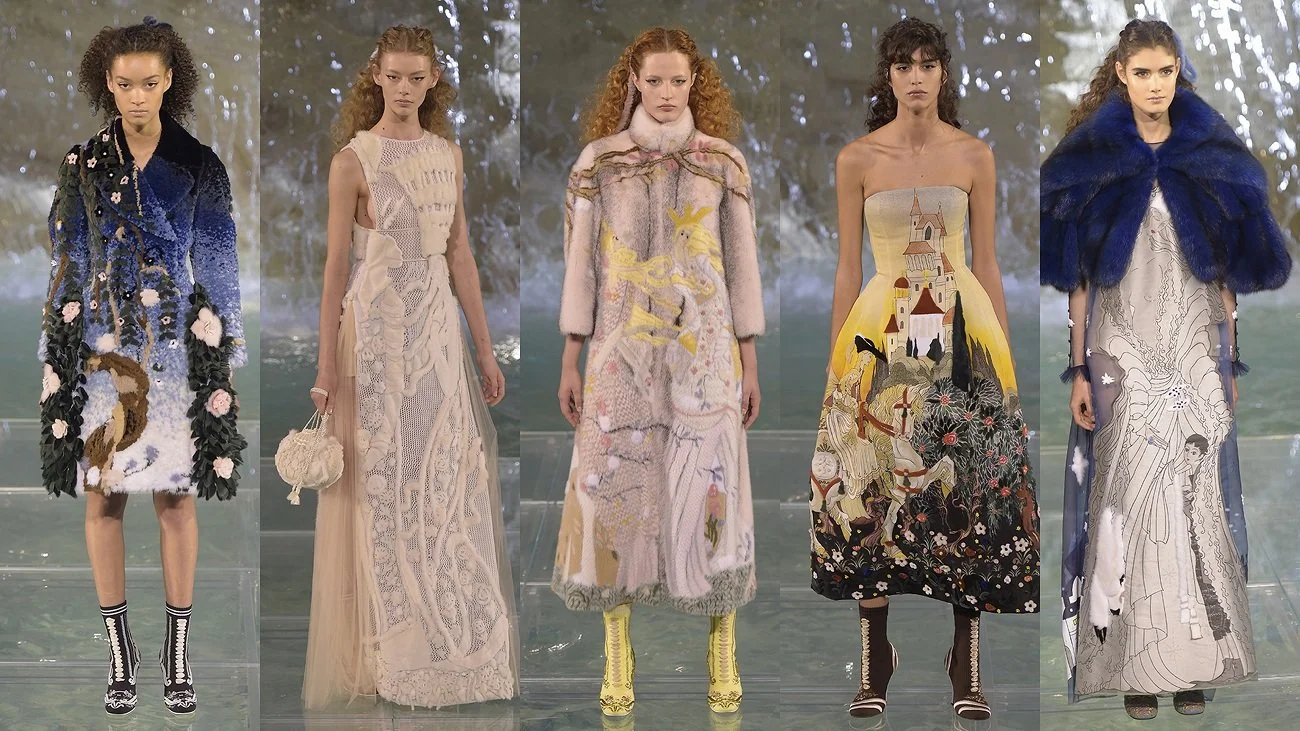
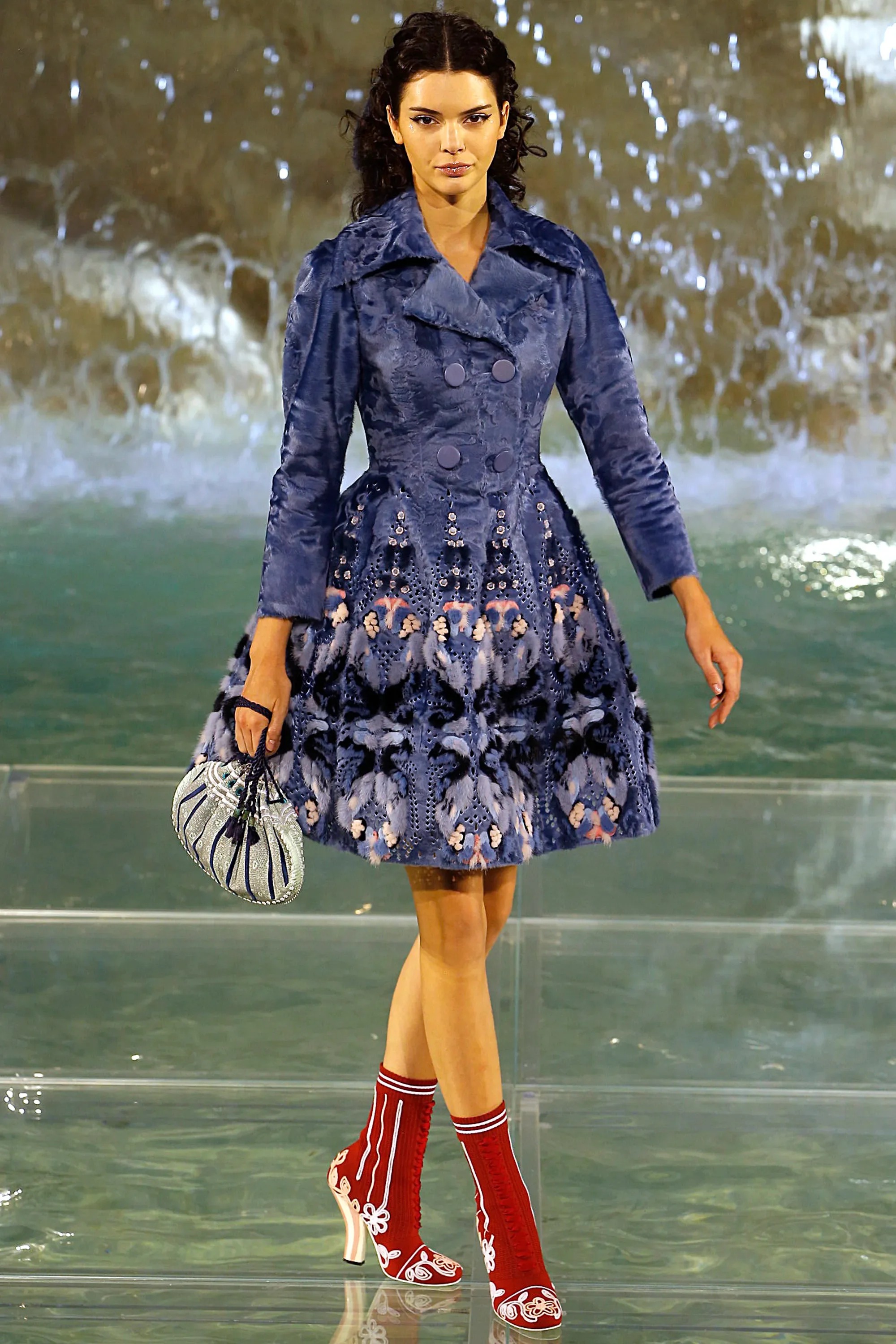
Silhouettes: Influences from the 1940s, 50s, and 60s (structured coats, columnar gowns)
Color palette: Soft pastels (ivory, blush, pale blue), creating a dreamlike atmosphere
Materials: Innovative use of fur, chiffon, and intricate appliqué
Techniques: Intarsia, hand-painting, and 3D embellishment
Historical & Artistic Influence
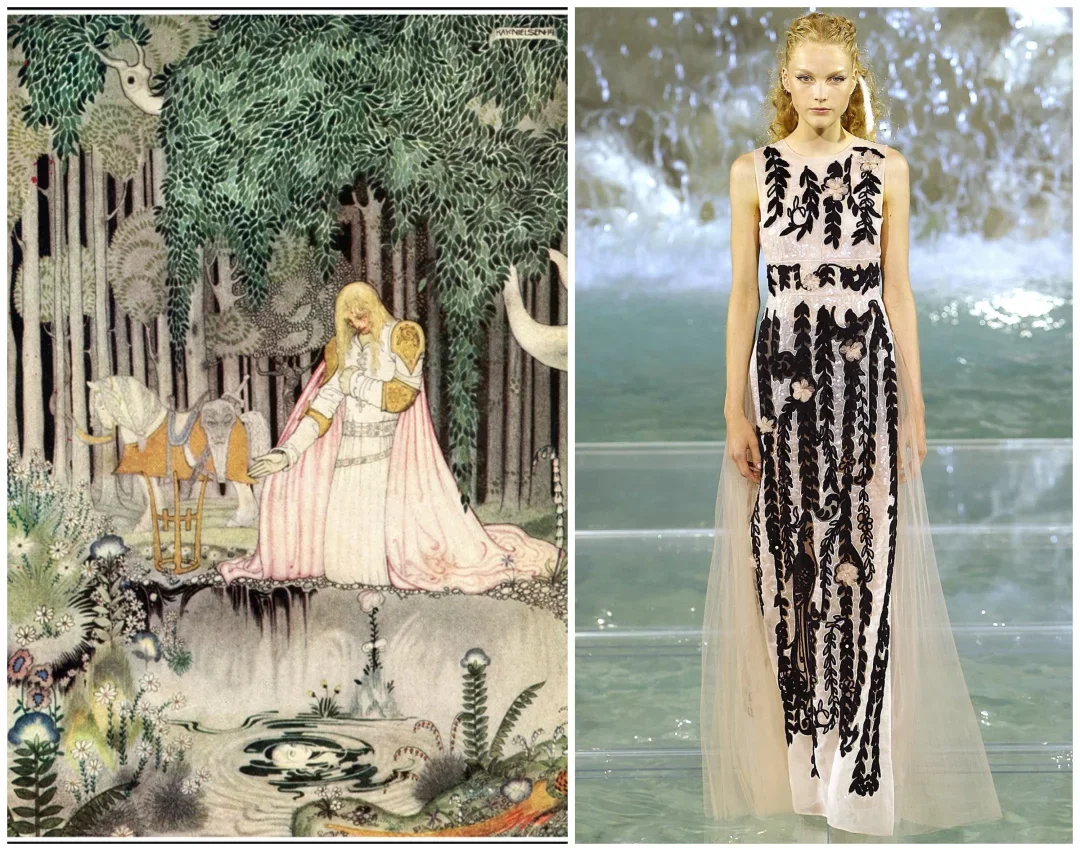
A major focus of my analysis was the influence of illustrator Kay Nielsen, whose fairy tale imagery inspired the collection’s elongated forms, intricate detailing, and ethereal mood.
I also connected the designs to:
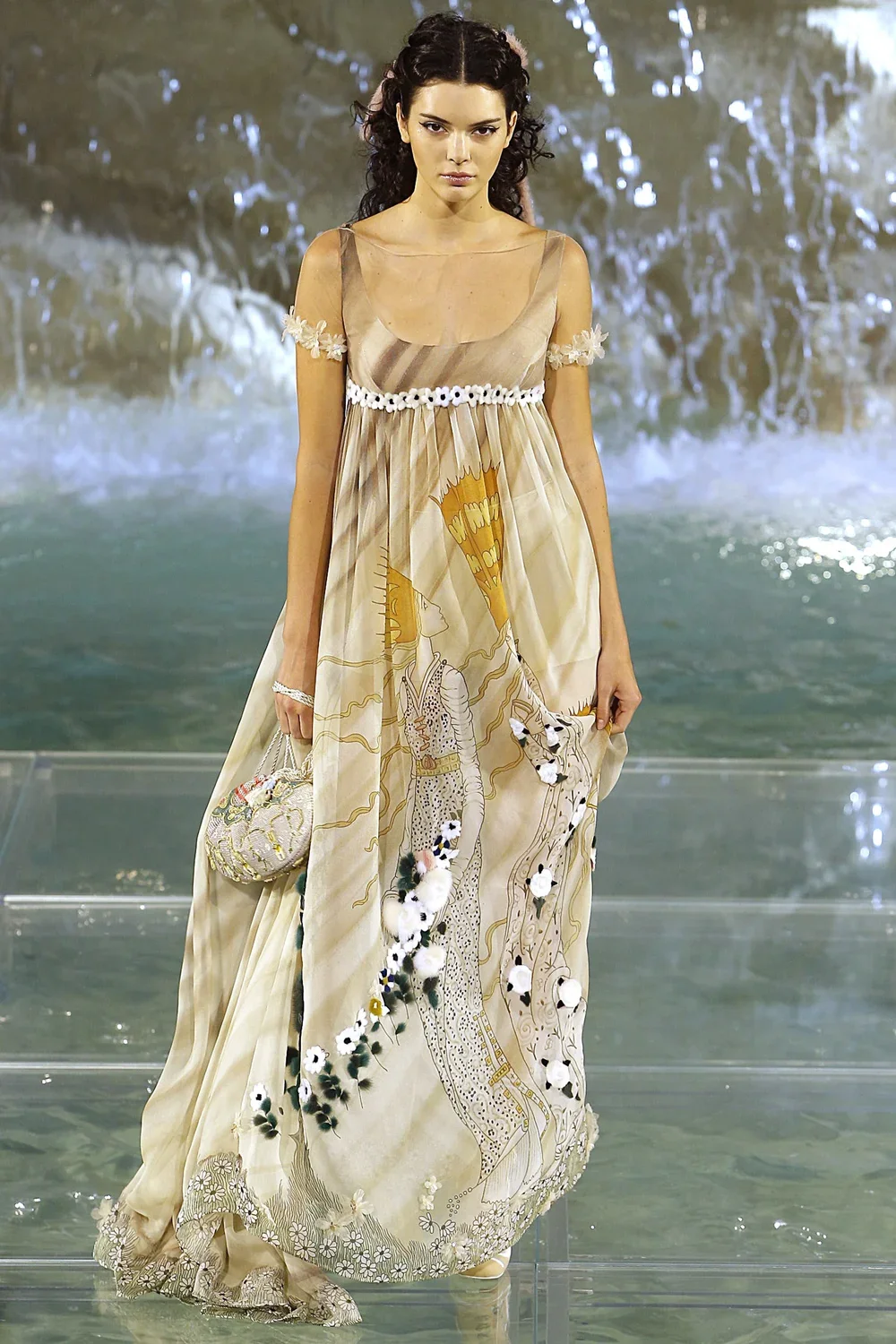
Art Nouveau & Art Deco aesthetics
Regency-era silhouettes (empire waistlines)
Dior’s “New Look” and mid-century tailoring
Process
Runway & Presentation Context
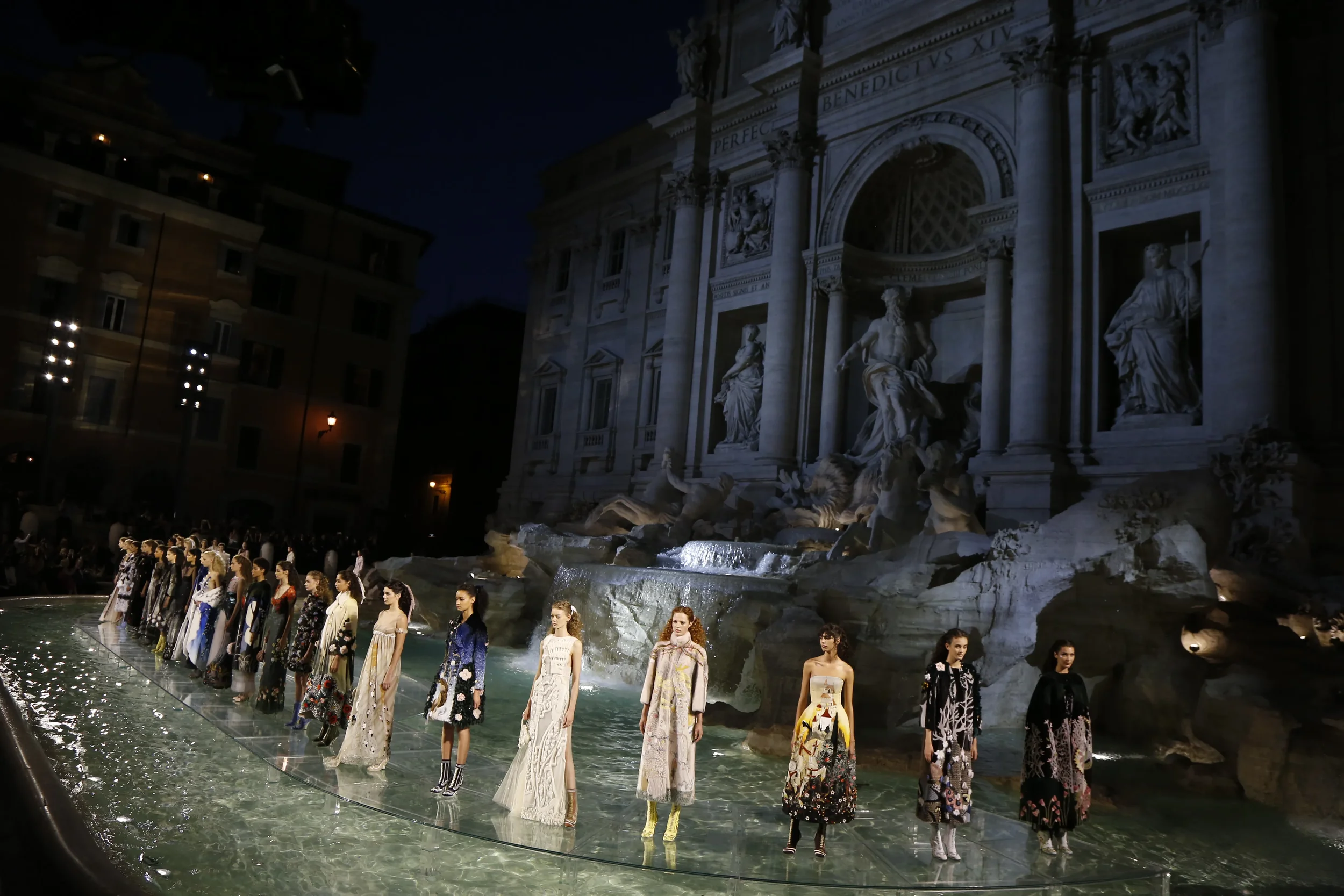
The collection was presented at the Trevi Fountain in Rome, reinforcing themes of heritage and fantasy.
The runway design—featuring plexiglass over water—created the illusion that models were walking on water, enhancing the fairytale narrative.
Process
Cultural & Brand Significance
I analyzed how the collection celebrated Fendi’s 90th anniversary, blending:
Brand heritage (fur craftsmanship)
Philanthropy (restoration of the Trevi Fountain)
Modern couture innovation

Skills
Fashion Analysis
Historical Referencing
Scholarly Research
Contextual Thinking
Written Communication
Visual Analysis
Key Takeaways
This project strengthened my ability to analyze fashion beyond aesthetics, understanding how collections communicate deeper narratives through design, history, and presentation.
A key takeaway was recognizing how successful designers merge historical references with modern techniques to create work that feels both timeless and forward-thinking.
I also developed stronger skills in structuring analytical writing and forming clear, thesis-driven arguments.